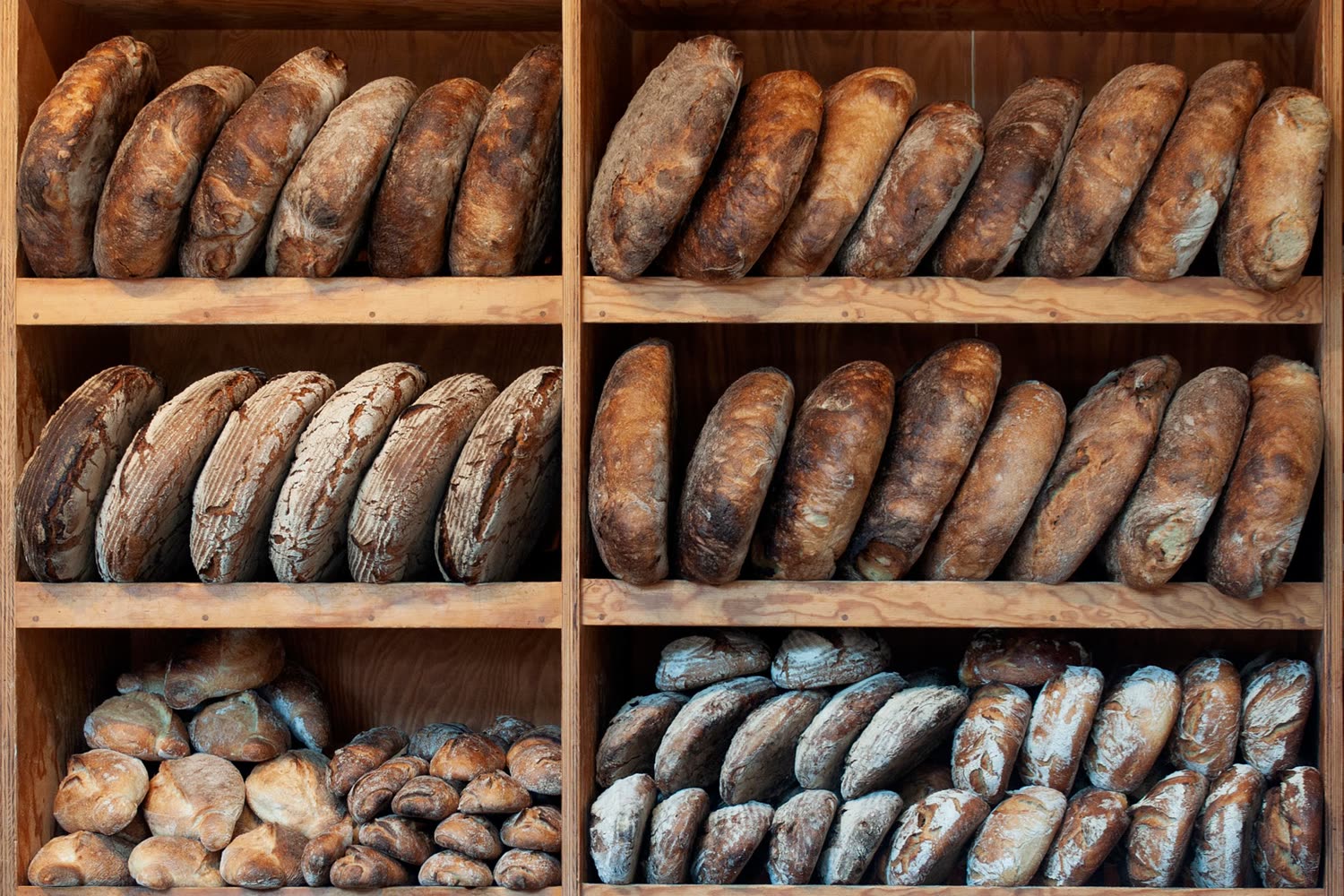
Bakers and butchers. Fresh on the counter, fresh in the figures.
You bake or butcher yourself, sell in your shop and perhaps supply the hospitality trade or do catering. Someone is joining you, or a second branch. Then the paperwork changes: 9% VAT, even when the customer eats in, a cao that has lapsed or is ending, night work and the NVWA. Alvelion handles your figures, payroll and tax returns.
Request an introductory meetingJust started? Read this firstWhat matters for a growing bakery or butcher's shop?
A craft bakery or butcher's shop with 1 to 25 people makes its own bread, pastries, meat products or meals and sells them in one or more of its own shops. Often catering, rolls eaten in or supplying restaurants and canteens are added.
At the Chamber of Commerce (KVK), you are often registered under SBI code 10.71.0 (a bakery that bakes itself) or 47.24.1 (a bread and pastry shop). A butcher's shop is usually under 47.22.1, even if you make your own sausages and sell them in your own shop (SBI 2025).
Work starts early, with night shifts and allowances. Good people are hard to find: the UWV calls the labour market very tight for bakers and tight for butchers. And gas for the ovens and electricity for the cooling weigh heavily. If you are growing, you need to look closely at your cost price, your roster and your people. That is where we help.
We work from our offices in The Hague, Amsterdam, Gouda and Rotterdam, for bakers and butchers throughout the Netherlands. You can meet us at the office, at your premises or online.
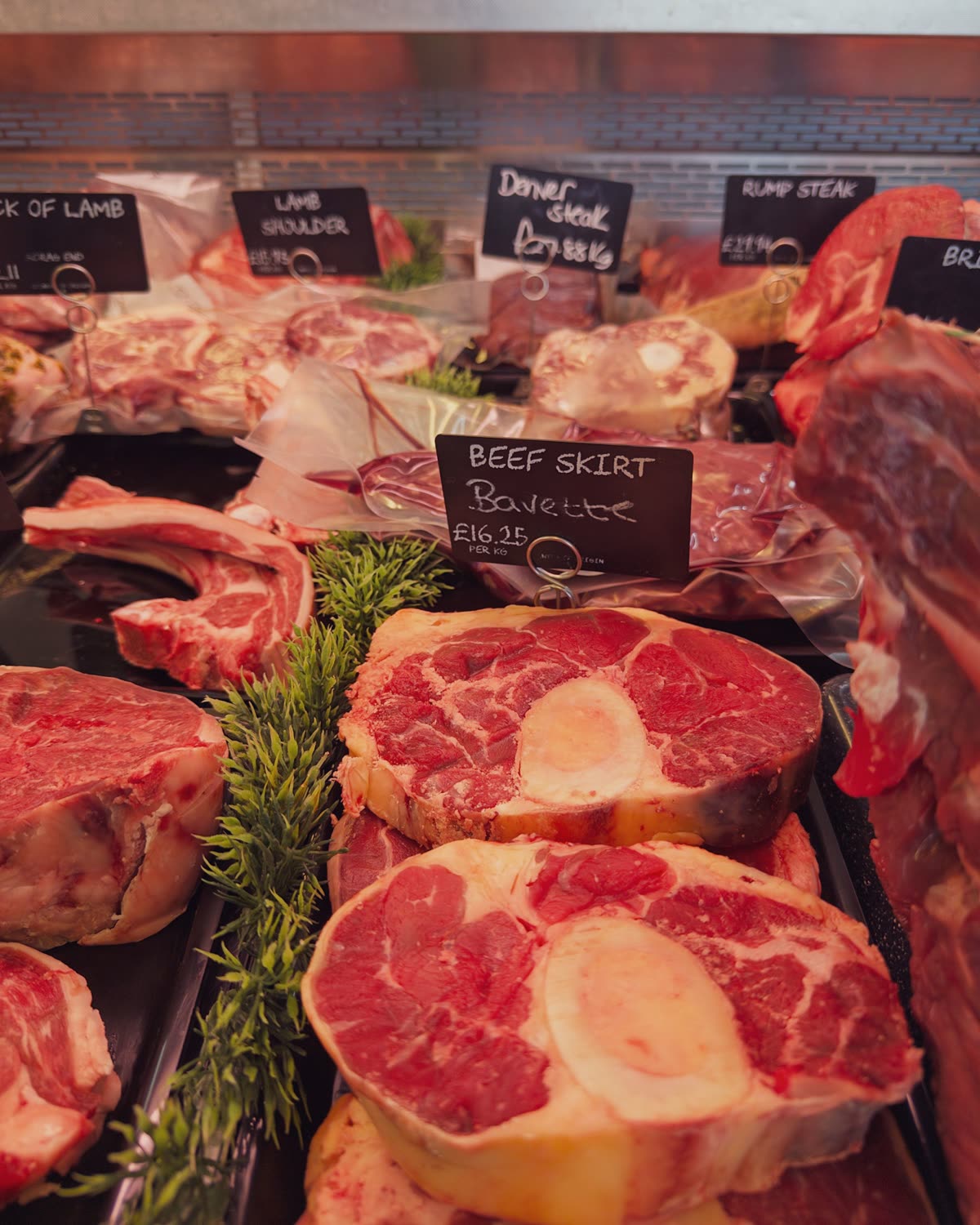
Where things go wrong for bakers and butchers
Do you recognise one of these situations? Then your accounting needs attention.
-
21% on a roll eaten in
Food and drink without alcohol is 9%, even when the customer eats it in the shop. Only alcoholic drinks and, for example, gift items are 21%. If your till charges 21% for the seating area, you pay too much VAT.
-
A price based on ingredients alone
Flour and meat are not the whole cost price. Gas for the ovens, electricity for the cooling, wages with allowances and what you throw away at the end of the day all count. In August 2026, beef cost about two thirds more at producer level than in 2021 (CBS).
-
A cao you don't keep up with
The Craft Bakeries cao ran until 31 August 2026 and has no longer been generally binding since 1 September. A new cao may be under negotiation. You do still have to pay the 0.8% contribution to the Craft Bakeries Fund (FAB). For butchers, the cao runs until 28 February 2027.
With your accounting in order, you know per product which VAT you charge, what it costs you and what your people cost you per hour.
Two kinds of sale, two sets of rules
In your shop
Take away or eat in?
For VAT it makes no difference. Bread, meat, rolls, coffee and soft drinks are 9%, taken home or eaten at a table in the shop. If you sell wine or a Christmas hamper with gift items, you split the receipt by rate.
Catering and hospitality
What goes on the invoice?
The food stays at 9%, even with a party service. Alcoholic drinks are 21%, as is separate crockery hire in most cases. You divide delivery costs proportionally over the rates. And if you supply more than 150 kg of meat or other animal products per week to shops or the hospitality trade, you may need an NVWA approval.
We set up the right VAT code for each product and each customer, so every receipt and invoice is right.
How Alvelion handles the figures of your bakery or butcher's shop
-
Getting to know you and setting up
We look at your shops, your customers and your people. We set up your accounting and VAT codes accordingly, for the shop, catering and supplying the hospitality trade.
-
Keeping up to date
Till, invoices, purchases and bank are processed continuously. You see per shop what it brings in and what is still outstanding.
Every month
-
Payroll and tax returns
Payslips, payroll tax returns and VAT returns go out on time, with the night and Sunday allowances, the FAB and the pension processed correctly.
-
Looking ahead
A second shop, a new oven or more supplies to the hospitality trade? We work out in advance what it means.
You work with one dedicated contact who knows your business, not a changing team or a general helpdesk.
Where Alvelion helps your bakery or butcher's shop
From till to figures
Your till, invoices, purchases and bank are processed continuously. With the right VAT per product, including catering and supplying the hospitality trade.
Go to online bookkeepingStaff in the bakery or butcher's shop
Payslips and payroll tax returns, with the cao, the night and Sunday allowances, the FAB and the pension processed correctly.
Go to payroll administrationCost price per product
We work out what a loaf or a kilo of mince costs you, including ingredients, energy, wages and waste. Then you follow your margin per shop every month.
Go to financial insightPaid faster
Clear agreements with restaurants, canteens and catering customers, reminders on time and a fixed approach for customers who don't pay.
Go to accounts receivable managementTerms and lease
Delivery terms for hospitality and catering, the lease of your shop premises and a customer who complains. Our own legal team helps you.
Go to legal adviceGrowing with figures
A second branch, a new oven or cold store, or a BV. We work out in advance whether it fits and what it brings in.
Go to SME advice and coachingStaff on the payroll
The cao for your bakery or butcher's shop
Hiring a baker, sales assistant or butcher? Choose your cao. You get an employment contract with the right wage, probation, notice period and chain rule. With the wage table, job grading, staff letters and what an employee costs you. The Craft Bakeries cao has expired, but the terms continue until there is a new one.
Make an employment contract for the bakeryFresh produce deserves fresh figures.
Your business and your figures with one team
Knows the rules for bakers and butchers
VAT on eating in and catering, the cao's, the FAB, night work and the NVWA: we know the rules that apply to your business.
Wages straight into your figures
Payroll and bookkeeping run side by side. That way you see what an employee really costs per hour, including allowances.
One contact
Bookkeeping, payroll and advice with the same dedicated team.
“A pleasant accounting firm, always helped in a friendly way and everything is arranged neatly.”
Mike M., October 2026 (translated from Dutch)
“Up and running quickly, and clear replies.”
Erik, October 2026 (translated from Dutch)
Frequently asked questions
9%. Food and drink without alcohol falls under the low rate, whether the customer takes it away or eats it in the shop. That also applies to coffee and soft drinks. Only alcoholic drinks are 21%. If you sell a roll with a glass of wine, you split the receipt into a 9% part and a 21% part.
The food stays at 9%, even when you serve it as a party service. Alcoholic drinks are 21%. If you invoice crockery or equipment separately as hire, that is usually 21%. You divide delivery costs proportionally over the 9% and the 21% on the invoice. Do you supply more than 150 kg of meat or other animal products per week to shops or the hospitality trade? Then check with the NVWA whether you need an approval.
Yes. What you take from the business for private use or give away is a withdrawal. You don't charge yourself VAT on it, but you usually do have to pay VAT on it. It also counts towards your profit. So keep track of it, for example per week.
For a craft bakery it is the Craft Bakeries cao. It ran until 31 August 2026 and has no longer been generally binding since 1 September 2026. A new cao may be under negotiation. The 0.8% contribution to the FAB does remain compulsory. For a butcher's shop, the Butchers' cao applies, generally binding up to and including 28 February 2027. You can see what an employee costs at Bakers' cao and Butchers' cao.
In a bakery it is usually the Bakery Industry Pension Fund. The premium in 2026 is 28%, of which 16.43% for the employer and 11.57% for the employee. In a butcher's shop it is usually Pensioenfonds Slagers. The premium in 2026 is 28.3%, and you may deduct at most 11.3% from the employee's wage.
Young people in principle do not work between 23.00 and 06.00. There is an exception for an apprentice in a work-based or school-based baker's training: no work between 22.00 and 04.00, at most 8 hours per night shift, 40 hours per week and 4 times per 7 days. In the latest Craft Bakeries cao, the allowance in production is 34% from Monday to Friday between 22.00 and 06.00. In the Butchers' cao, the allowance is 50% between 22.00 and 06.00.
Yes, if you registered before 10 March 2026. Since that date, registration runs through MijnNVWA, also for businesses that were already registered. Registering is free. You register each location separately and confirm your details every year. The NVWA can take action if a business is not registered.
Gas for households was 7.4% more expensive in September 2026 than a year earlier (CBS). On top of that, in 2026 you pay €0.60066 energy tax per m³ of gas, excluding VAT. So every m³ saved counts. If you use more than 50,000 kWh of electricity or 25,000 m³ of gas per year per location, you must take measures that pay for themselves within 5 years. We work out what a new oven or cooling system brings you.
We mainly work for bakeries and butcher's shops that are growing. Have you just started? On our page for starters you read what to arrange in your first year.
Further reading
All articlesReady to grow your bakery or butcher's shop further?
Tell us how your business runs now. We deliberately work with a limited number of clients. That is why we first look together at whether we are a good fit. You'll hear back within one working day.
Request an introductory meeting